

Tyres
This page lists all our tyres – summer, winter and all-season. To find the right ones, start with the size and the load and speed indices your vehicle requires, then choose the season based on where and when you drive. Use the filters to narrow the selection by size, season and features. Read the guide
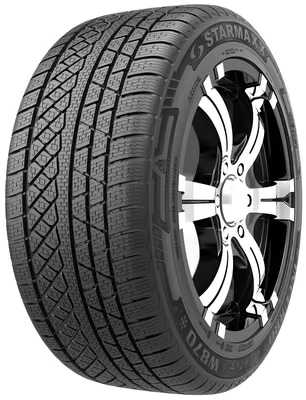


 M+S
M+S
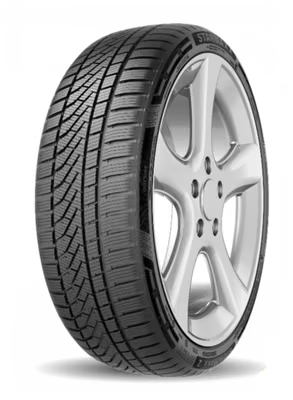 M+S
M+S
M+S
M+S
M+S
M+S
M+S
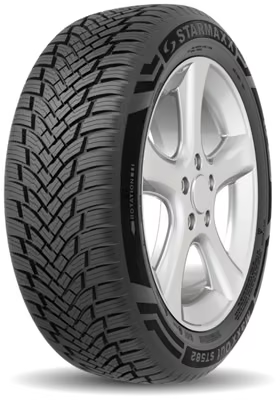 M+S
M+S
M+S
M+S
M+S
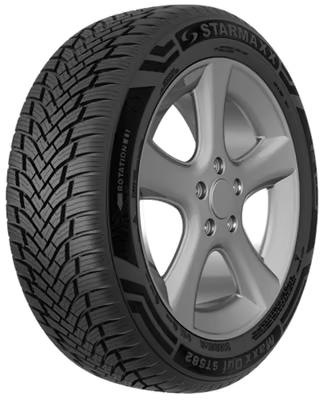
 M+S
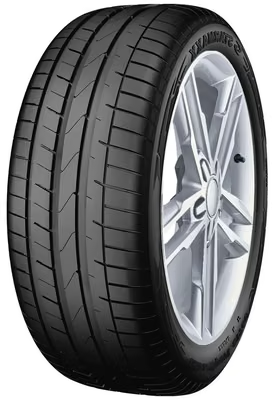

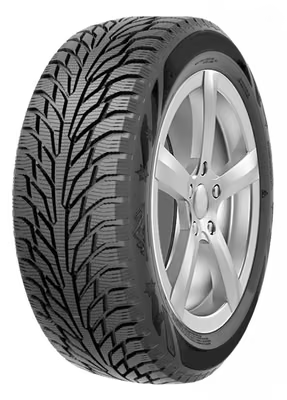 M+S
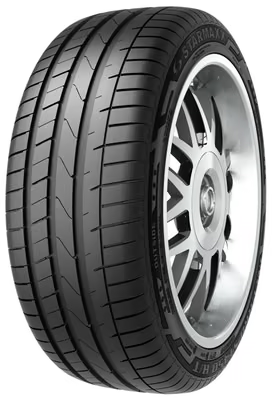 M+S
M+S
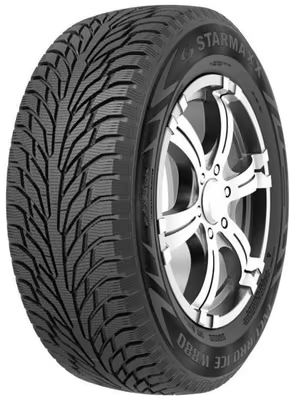 M+S
M+S
M+S
M+S
Choose tyres by season
Summer tyres are made for the warm months and winter tyres for the cold ones; in Estonia winter tyres are mandatory for passenger cars and light vans from 1 December to 1 March. Winter tyres come as studded tyres or friction tyres. All-season tyres are a compromise for drivers with low mileage who drive mostly in town. Tyres with different tread types must not be fitted on the same axle. For the right time to switch, see our guide to seasonal tyre changes.
How to read a tyre size
The sidewall carries a marking such as 205/55 R16 91V:
- 205 – tyre width in millimetres;
- 55 – aspect ratio: sidewall height as a percentage of the width;
- R – construction; R means a radial tyre (other letters are explained in our article on tyre construction);
- 16 – rim diameter in inches;
- 91 – load index: up to 615 kg per tyre;
- V – speed index: up to 240 km/h.
We recommend choosing load and speed indices at least as high as the vehicle manufacturer specifies. Reinforced (XL) and van (C) tyre markings are explained in our article on load index.
What the EU tyre label shows
Car and van tyres carry an EU label with three main ratings:
- fuel efficiency (class A–E) – lower rolling resistance means lower fuel or energy consumption;
- wet grip (class A–E) – class A means the best grip and the shortest braking distance on a wet road;
- external rolling noise – in decibels and as class A–C.
The label may also show the three-peak mountain snowflake symbol (3PMSF), meaning the tyre has passed a standardised snow test, and the ice grip symbol, which is given to Nordic winter tyres tested on ice. The EU label does not apply to studded tyres.
How to find your tyre size
The quickest way is to look at the sidewall of your current tyres: the size, load index and speed index are moulded into it. The sizes approved for your vehicle are also listed in the owner's manual and on the sticker in the driver's door frame. If neither is to hand, use the “By vehicle” search on the home page: choose the make, model and year (the engine is optional) to see the sizes that fit your car.